
Perfectly Imperfect
This book is about what remains after the passage. Presence without performance. Offering without attachment. The art of releasing what was never ours to hold. It is a meditation on wholeness, imperfection, and the settled room where authenticity finally becomes a way of being rather than a project to complete.
Written from Querétaro, México, from the far side of the descent explored in Paradise (re)Discovered. The lantern is carried home.
Imperfect
Where the Trilogy Comes to Rest
If A Life Aligned was the invitation and Paradise (re)Discovered was the descent, Perfectly Imperfect is the return. It is the closing volume of the trilogy, and it asks what you do with what you found in the dark. How you carry the lantern back into ordinary life. How you offer it, low and steady, to someone standing where you once stood.
Where A Life Aligned was a practice manual that offered steps you could follow, this book asks something different. It is written as essay and as story, and it proceeds the way the return actually proceeds, by accumulation rather than instruction. An Introduction and ten chapters move through a life already being lived differently: an errand for bread that takes an hour, a plate of beans at a darkening window, a coaching hour, an old friend's visit, a morning when the light goes out and has to be relit.
Drawing on decades of clinical practice, on Winnicott and Jung and Erikson, and on the ordinary rooms of a life in Querétaro, the book takes its title from a clinical fact rather than a consolation. The perfected self, like Winnicott's perfect mother, would be useless to everyone, including its owner. It would have no give in it. What returns from the passage is a self that is good enough, and good enough turns out to be the only kind that can offer anything to anyone else.
Written from Querétaro, México, from the far side of the passage, Perfectly Imperfect is the culmination of the trilogy and, in some sense, the beginning of what remains: a life lived from the settled ground where authenticity is no longer a project but a way of being.
"What is to give light must endure burning."
The Architecture of Return
The subtitle names three movements. They are not numbered sections but currents that run through the chapters and gather strength as the book proceeds, the way the return itself gathers.
Presence
The early chapters return you to the ground of your own experience: the anticlimax of the morning after, the climb down from the heroic, the plain treasure of a common evening. Presence is what remains when the wanting no longer holds the day hostage to its outcome.
Offering
The middle chapters turn outward, into love and work and friendship and the discipline of attention. Offering is not depletion. The clearest test the book proposes is a simple one: can the worker stop, set the work down, and be fully somewhere else?
Release
The closing chapters face the dark morning that returns, the slow apprenticeship of becoming a settled presence for others, and what people actually carry away from us. The lantern is not kept. It is passed, usually without ceremony.
The Shape of the Return
Each chapter opens on an ordinary hour and stays with it long enough for something to surface. The arc moves from the anticlimax of coming back, through love and work and friendship, into the dark morning that returns and the lantern finally passed on.
Carrying the Lantern
Bells over the rooftops of El Refugio, and a man at the window who hears them differently now. What the lantern is, why the tended wound is the thing that gives light, and how to read a book that offers stories rather than steps.
The Morning After Paradise
An errand for bread that takes an hour. The anticlimax of the return, the body that comes back slowly, and the discovery that no one around you knows you have changed. Winnicott's good enough self, and why a perfected one would be useless.
Refusing the Heroic
Enrolling as a beginner late in a long career, and the inflation that waits for anyone who mistakes the descent for an achievement. The wound as qualification, the daily climb down, and the level ground where everyone else is already walking.
The Plain Treasure
A plate of beans at a darkening window. The appetite for the spectacular, the war with the moment, and a sufficiency that is not the cooling of effort but a changed relationship between the wanting and the day.
Being Loved by Someone Who Came Back
What intimacy asks of a person who has changed. The old fuel that no longer burns, the argument that does not need winning, the asymmetry, and the discipline of not being the therapist at home.
Work as Offering
A coaching hour with a man carrying a decision he has already made. What work was for, the audience we cannot see, and the difference between offering and the slow disappearance that wears generosity as a costume.
Walking with Others
An old friend of thirty years makes the trip down. Who fades and who stays, how the changed find each other, and the patient work of building a web of relation rather than a wall.
Being Seen, and Seeing
An old man on a low wall asks the time. Attention as the rarest form of generosity, the fear of being seen, seeing the unawakened without condescension, and the lantern turned outward.
When the Light Goes Out
A morning, more than two years in, when he woke and could not find himself. What the return does not promise, why a later descent feels like failure, the craft of relighting through the rhythms of the heart, and how to carry the lantern unlit.
Eldering
A former student at the kitchen table in the rainy season. Eldering as a posture rather than a season of life, what a settled person does to a room, and the long apprenticeship of becoming available rather than in authority.
Passing the Lantern
The same walk to the bakery, made a thousand times. What people actually carry from us, transmission beneath intention, what cannot be bequeathed, and the three true things the whole book has been walking toward.
Words That Hold the Spirit of the Work
I have not finished. The light I am offering is the one I am currently reading by.
We imagine the goal of the journey is a perfected self, healed of its wounds, finished, free of rough edges. But the perfected self, like the perfect mother, would be useless to everyone, including its owner. It would have no give in it.
Refusing the heroic is the recognition that the height was never the destination. It was an optical effect, a trick of the narrative, the way a path looks like it climbs when seen from the valley floor and turns out, when you reach it, to run level across the plain where everyone else is already walking.
What changed is the relationship between the wanting and the day, because the wanting no longer holds the day hostage to its outcome.
Depletion has a grasping quality even when it looks like generosity, because the over-giver is still trying to secure something through the work: love, indispensability, the relief of being needed, the proof of being good. That is performance again, wearing its most flattering costume.
These are not three phases to be set in sequence and worked through in order. They are three faces of one truth, all of them in force in the same instant.
Rosie, Still
"You're all right, kid. The world's all wrong."
Rosie opens this book and she returns at its center. In Paradise (re)Discovered she stood as the model of integrated authenticity, a woman whose whole life was of one piece. Here she becomes something more intimate. Chapter Nine sits at her table and asks what a settled person does to a room, and how a person becomes that without setting out to.
She understood the book's central claim without any of the vocabulary of a career spent acquiring it. When she said the hurt was not evidence of your failure, she was describing what the whole trilogy has been circling. She carried her own difficulty all the way through her life, tender in places that never fully closed, fierce and imperfect to the end.
And she was, by the account given here, the most reliable light the author has ever stood near. In his words, she was "a lantern precisely because she had never once pretended to be the sun." That distinction is the book in a sentence, and it is why the closing volume carries the name it does.
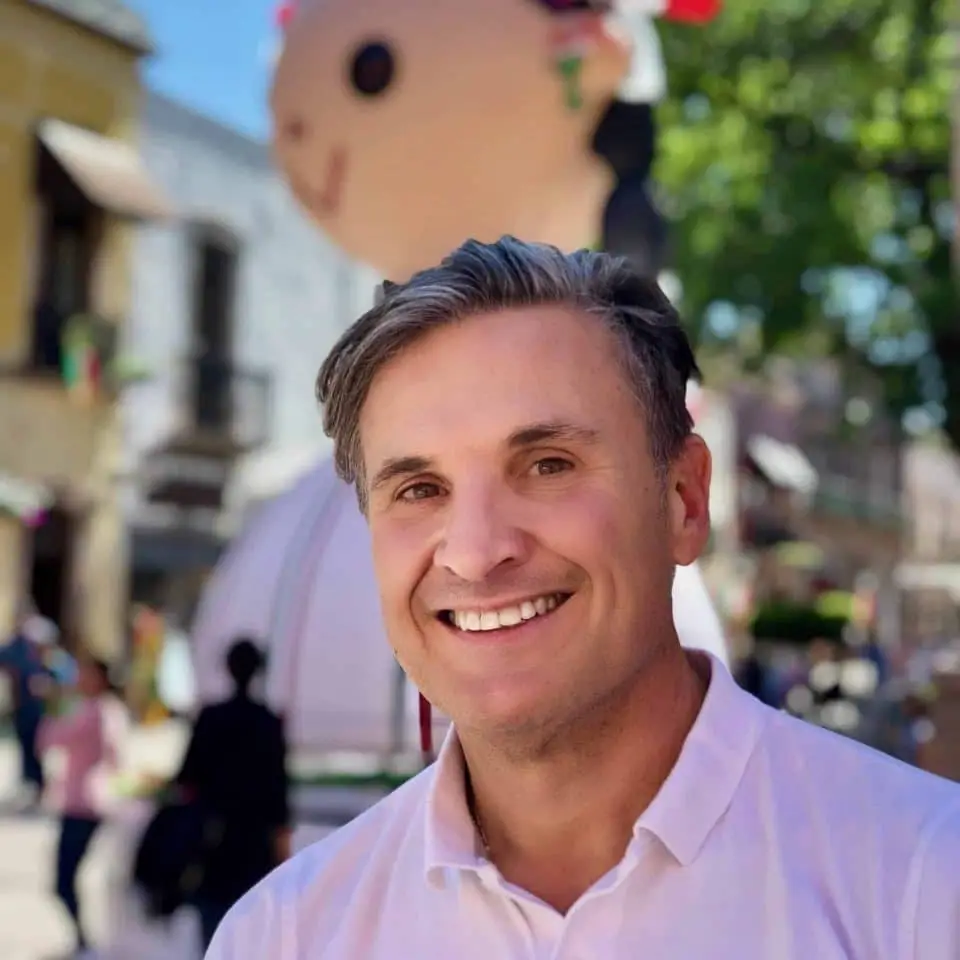
Dr. Mark A. Arcuri
While the Book Comes Home
A Life Aligned
The trilogy begins where the invitation was first issued. If Perfectly Imperfect is calling to you, the earlier volumes may be the most useful preparation. A Life Aligned is available now in paperback, eBook, and audiobook.
Paradise (re)Discovered
The middle volume, coming Fall 2026. It traces the descent that transformation requires, and prepares the ground for what returns in the closing book. Read a preview and get notified at launch.
The Trilogy
Three books, one continuous exploration. Each volume enters a different phase of the journey toward authenticity, and each stands on its own while deepening the others.
A Life Aligned
Where the journey begins: alignment, intention, and learning to come home to yourself. Originally published in 2008, revised and deepened in early 2026.
Paradise (re)Discovered
The wilderness between worlds. Individuation, depth psychology, and the demanding middle passage that genuine transformation requires. Written from inside the crossing itself.
Perfectly Imperfect
What comes after the passage: presence without performance, offering without attachment, and the art of releasing what was never ours to hold.
Word When Perfectly Imperfect Arrives
The closing volume, on its way
Subscribe on Substack for a monthly letter and shorter posts along the way. When Perfectly Imperfect becomes available, subscribers receive first word, along with reflections drawn from the book as it comes into being.
Subscribe on Substack
Free. Delivered directly to your inbox.
"When you do things from your soul, you feel a river moving in you, a joy."
RumiThe return is the practice. The practice is the life.
With steadiness and gratitude,
Mark A. Arcuri, PhD
Querétaro, México