
Paradise (re)Discovered
This book is about the passage, the darkness between knowing and becoming. It is about authenticity understood not as a destination you arrive at once and maintain effortlessly, but as a practice of returning, again and again, to what is most true in you.
Written from within the crossing itself, from Querétaro, México, where the disorientation became curriculum and the wilderness became home.
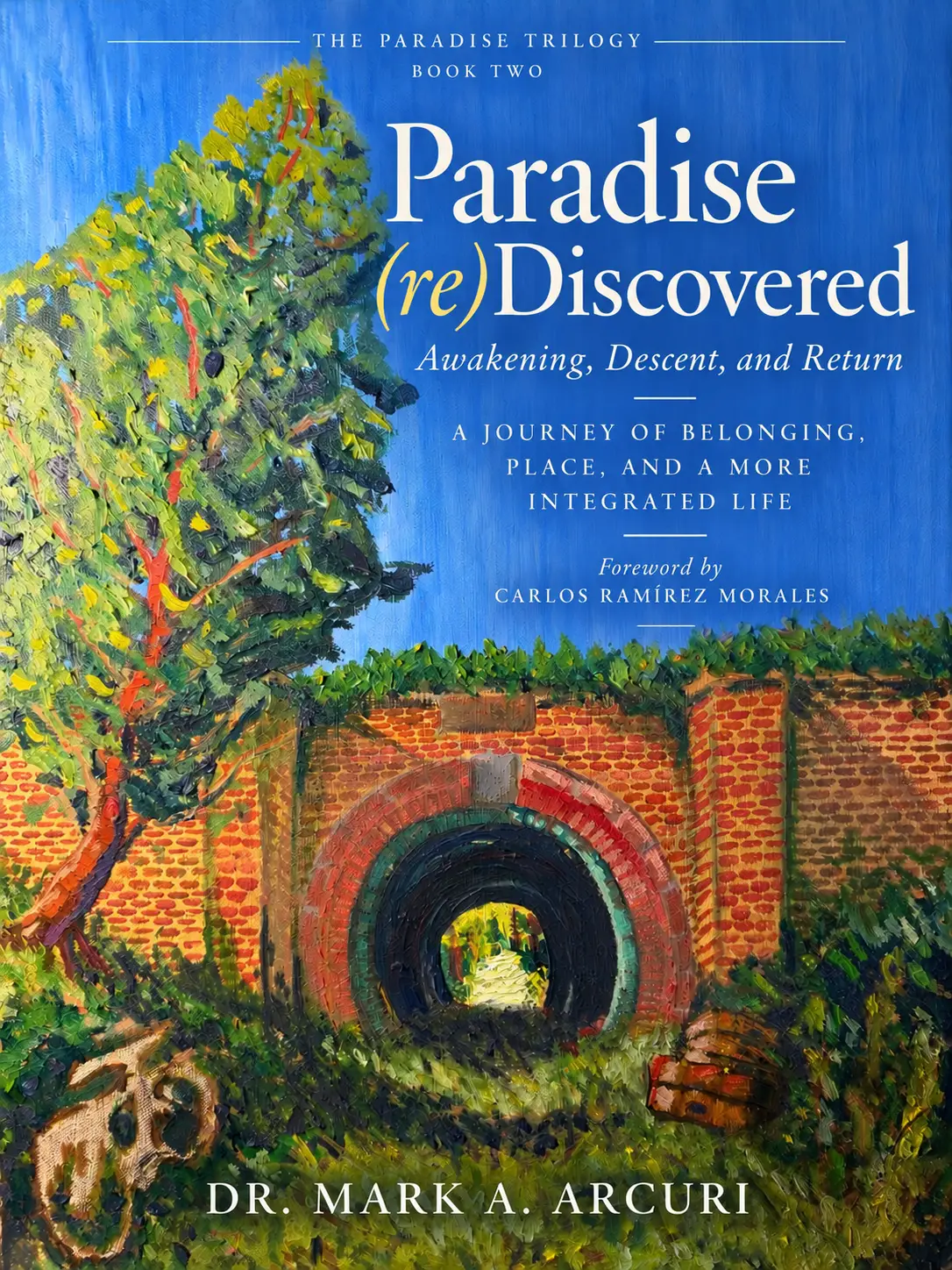
The Wilderness Between Worlds
In 2008, Dr. Mark A. Arcuri wrote A Life Aligned, a book concerned with destination: how to come home to yourself. Its recently completed revision (early 2026) deepened rather than abandoned those central claims. But Paradise (re)Discovered goes where that book could not. It enters the wilderness that transformation requires, the darkness between knowing and becoming, the demanding middle passage that most books about growth prefer to abbreviate.
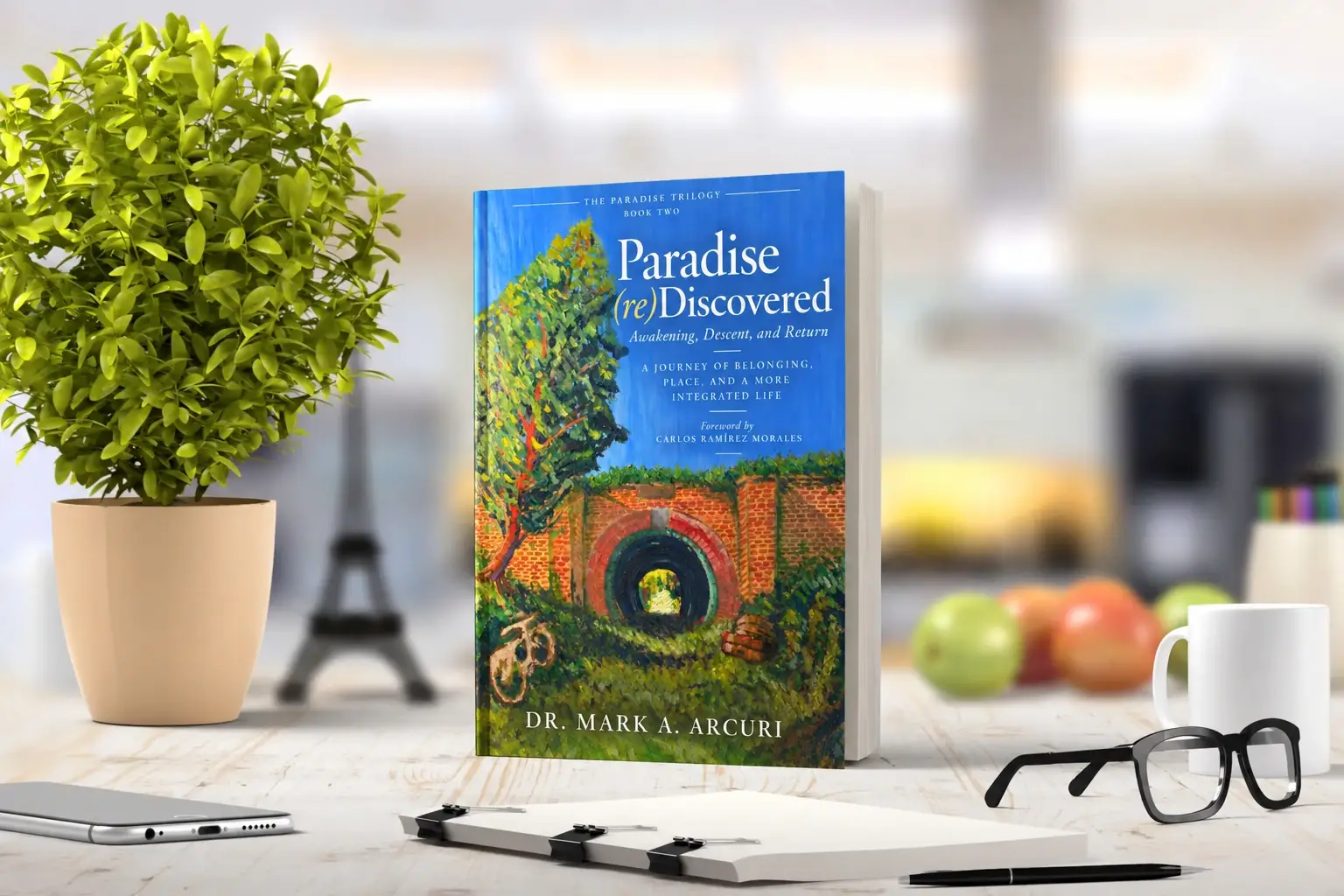
Drawing on Jungian depth psychology, Joseph Campbell's mythological scholarship, Ericksonian therapeutic wisdom, contemporary neuroscience, and thirty years of clinical practice, the book traces a twelve-chapter developmental arc from unconscious participation in inherited reality through the demanding work of differentiation, descent, and restructuring, toward what Dr. Mark calls Paradise: a quality of consciousness that becomes available only through the willingness to inhabit the full complexity of a life in transition.
Written from Querétaro in the months following a border crossing that was both geographic and psychological, the book was not composed from the far side of transformation looking back. It was written from inside the process. That proximity is its authority.
"The cave you fear to enter holds the treasure you seek."
The Architecture of the Journey
The book traces the movement from unconscious participation to recognition, from recognition to descent, through the demanding middle passage of restructuring, and toward the integration that characterizes genuine return.
Dreaming Our Reality
Whose dream are you living? How unconscious material shapes the waking life we take for granted, and what happens when we begin to notice.
The Illusion of Needs
The difference between genuine needs and projected dependency, and the psychological cost of building a life around what was never truly ours to carry.
The Strangers We Call Family
The roles assigned before we had language to refuse them, and the courage to differentiate from family systems without rejecting the people within them.
Leaving Home
The crossing of thresholds both geographic and psychological. What departure produces when it is genuine: a clearing where the old structures loosen their hold.
Inner Integrity
The slow, uncertain process of discovering what organizes you from the inside, when the outside is no longer doing it for you. Wholeness in the original sense of the word.
Reaction vs. Response
The space between stimulus and response. Developing the capacity for responsive awareness in place of the reactive patterns that once protected us.
Passion and Work
Separating identity from vocational production, freeing the energy that was consumed by the need to prove ourselves through what we do.
The Right Conditions
The real voyage of discovery: not seeking new landscapes, but cultivating the interior conditions that allow transformation to proceed on its own terms.
If you are in this stretch right now, between what was and what has not yet arrived, there is a free guided meditation built on William Bridges' transition model that works with the same territory these chapters explore.
The Neutral Zone Meditation →The Fear Factor
Fear as threshold guardian, not an obstacle to the passage but an integral feature of it. The treasure is always in the cave we fear to enter.
Divinity in Us
The movement from ego-centered authenticity toward a more expansive participation in shared humanity. The sacred dimension of individuation.
Lessons from Rosie
What integrated authenticity looks like when it is actually lived: in the kitchen, in the refusal to conform, in the settled coherence of a woman who belonged to herself.
Embracing Change
The ongoing nature of transformation. There is no final integration, only deeper and more demanding rounds of the same essential work. The spiral deepens.
Words That Hold the Spirit of the Work
The crossing itself was instruction. The disorientation was curriculum. And what I have been learning since, slowly and not always gracefully, is the subject of this book.
The departure, when it finally comes, is rarely what you imagined. It does not feel like liberation, at least not initially. It feels like falling. The structures that organized your days, your sense of worth, your understanding of who you were, begin to lose their grip. And the self that remains when they release is not the confident, integrated figure you hoped you were becoming. It is something more uncertain. Something not yet formed.
Who am I when I am not adapting to someone else's needs or expectations? What do I actually believe, as opposed to what I have been rehearsing? What would I choose if the choice were truly mine?
Individuation can also be accomplished through a sustained refusal to be anything other than what one is. The refusal itself, carried with enough consistency and enough integrity, accomplishes much of what the formal process describes. The person who will not abandon their own truth is, by necessity, continuously integrating what the psyche presents.
What I hope you carry from this book is something steadier than inspiration. I hope you carry steadiness itself. The recognition that your own passages, however disorienting, are legitimate psychological events with their own architecture and their own intelligence.
Lessons from Rosie
"You're all right, kid."
At the heart of Paradise (re)Discovered is Rosie, a grandmother who lived life unapologetically on her own terms, with a directness and independence that Dr. Mark did not fully appreciate until decades later, when he began to understand what it costs a person to remain themselves in a world that continuously pressures them to become someone else.
In Rosie there was no visible gap between what she felt, what she said, and how she moved through the world. She was, in the fullest sense, all of one piece. The psychological term for this is congruence. The Jungian tradition would call it individuation carried into the texture of daily life. Rosie would have said she was just being herself, and that simplicity was itself part of the teaching.
Her life poses a question that the entire book orbits: What does integrated authenticity look like when it is actually lived, not theorized, not achieved in the consulting room, but practiced day after day in the unremarkable circumstances of an ordinary human existence?
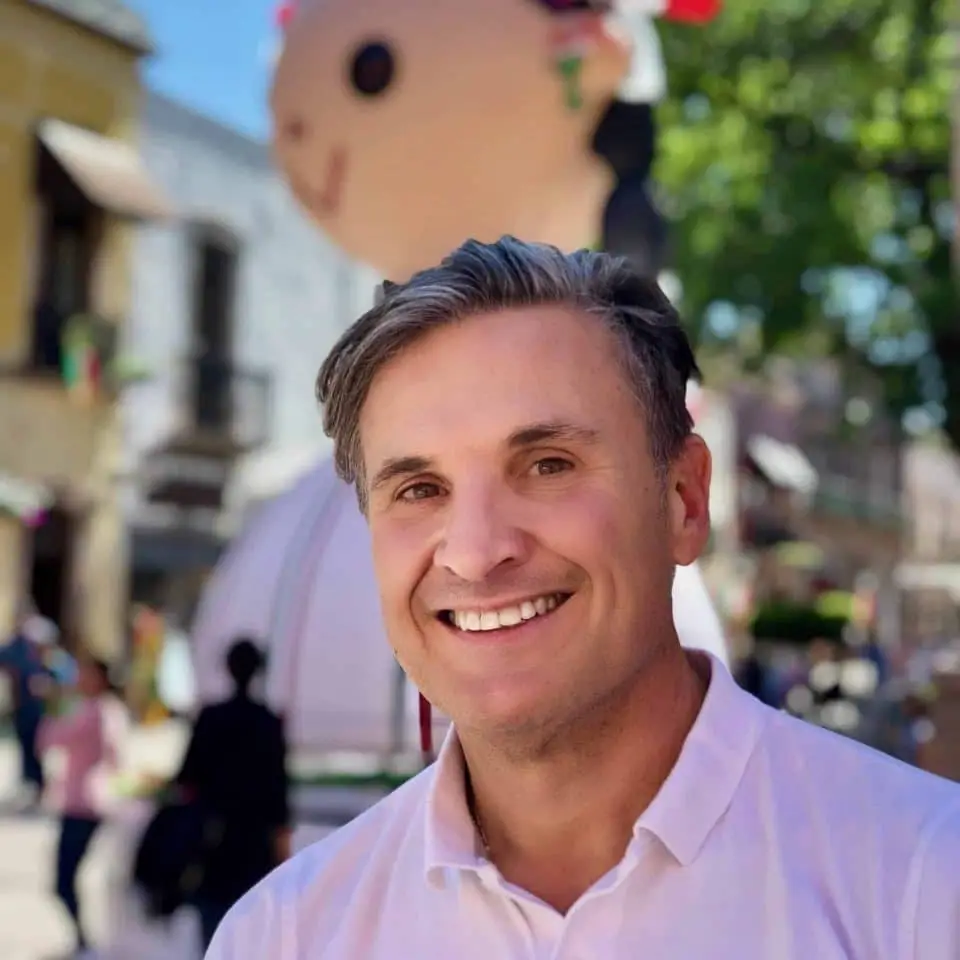
Dr. Mark A. Arcuri
Enter the Passage
An Advance Reading
The Introduction and first chapter, complete and unabridged, months before the book itself arrives. Forty-five typeset pages, ending on the question the rest of the book proceeds from.
The Companion Blog
Paradise (re)Discovered was written in real time. The companion blog offers early reflections on its themes, including authenticity, transition, and the ongoing work of becoming whole.
The Trilogy
Three books, one continuous exploration. Each volume enters a different phase of the journey toward authenticity, and each stands on its own while deepening the others.
A Life Aligned
Where the journey begins: alignment, intention, and learning to come home to yourself. Originally published in 2008, revised and deepened in early 2026.
Paradise (re)Discovered
The wilderness between worlds. Individuation, depth psychology, and the demanding middle passage that genuine transformation requires. Written from inside the crossing itself.
Perfectly Imperfect
What comes after the passage: presence without performance, offering without attachment, and the art of releasing what was never ours to hold.
Be the First to Know
Word when Paradise arrives
Subscribe on Substack for a monthly letter and shorter posts along the way. When Paradise (re)Discovered becomes available, subscribers receive first word, along with reflections drawn from the book as it comes into being.
Subscribe on Substack
Free. Delivered directly to your inbox.
"Out beyond ideas of wrongdoing and rightdoing, there is a field. I'll meet you there."
RumiThe invitation never expires. Keep walking.
With steadiness and gratitude,
Mark A. Arcuri, PhD
Querétaro, México